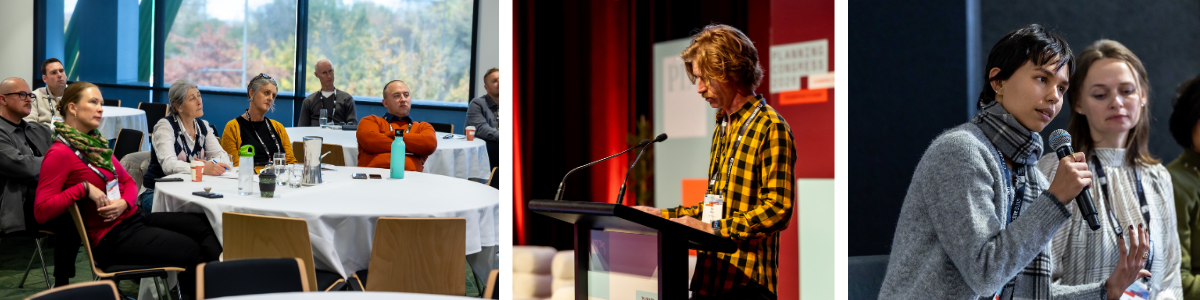
The final day of the Planning Institute of Australia National Congress reinforced a strong and consistent message throughout the event: the importance of long-term planning, strategic leadership and maintaining realistic optimism in the face of increasingly complex challenges.
Long-Term Thinking Needed for Australia’s Future
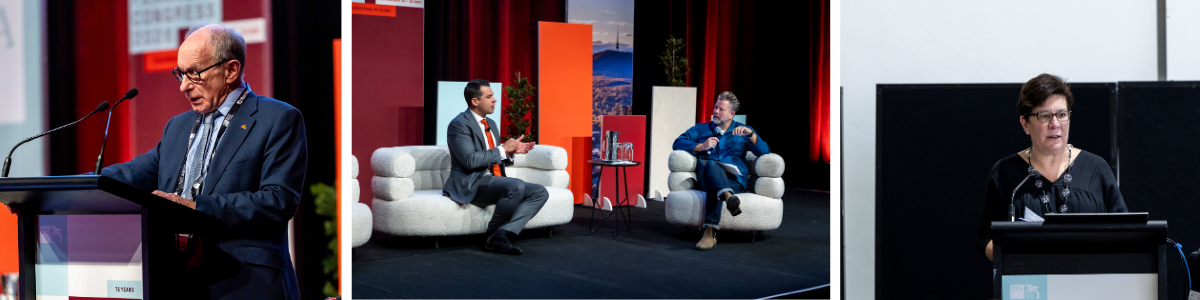
Demographer Simon Kuestenmacher delivered a compelling keynote on Australia’s future, highlighting that population growth will continue for decades, driven largely by migration and placing increasing pressure on housing, infrastructure, aged care and cities.
“Since the end of World War I, we have quadrupled our Australian population. And how many new cities have we built? One. The Gold Coast is the single best planning decision we have made as a country,” he said.
“The rest of the population has been squeezed into our existing cities. So of course cost of living has significantly increased.”
His session reinforced the Planning Institutes call for a long-term plan for Australia's growth and the critical role planners play in shaping the future.
“People in 50 years’ time will have their quality of life determined by the planning decisions we made today. Planning is very powerful and we need to look long term.”
Leadership, Reform and the Role of Planning
The final day also explored leadership, political awareness and the growing complexity of decision-making within planning systems.
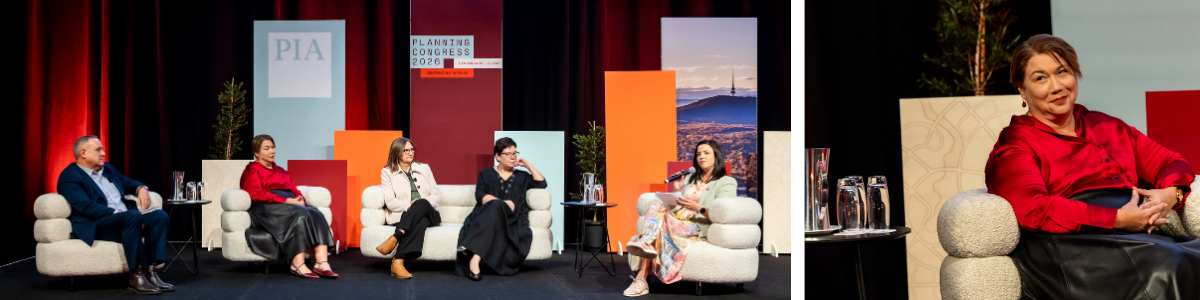
An exceptional panel featuring four Heads of Planning from state and territory planning departments shared insights into the future of planning, reform and city shaping. Common themes included the importance of strategic planning, infrastructure delivery, communication, trust, adaptability and avoiding unintended consequences from reform.
Speakers acknowledged that planning systems must continue to be improved, including streamlining low-risk development assessment and “stepping off the hose” to support faster decision-making. However, there was also strong agreement that planning systems cannot resolve housing delivery challenges without broader coordination across government, industry and infrastructure investment.
The panel also reflected on the increasing scrutiny facing the profession, while reinforcing the essential role planners play in shaping housing outcomes, infrastructure delivery, liveable communities and long-term resilience.
“Planners are critical to our future. Stand up and be proud. The scapegoating of the profession is very short sighted.”
Political awareness without “playing politics” also emerged as a key leadership theme, recognising planners must navigate political environments while remaining true to the public interest and evidence.
AI, Technology and the Future of the Profession
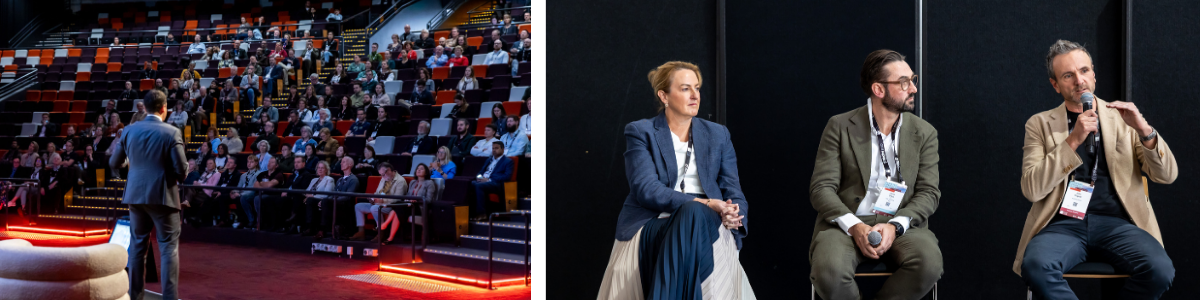
The closing panel explored the role of AI and emerging technology in planning, highlighting both the opportunities and risks associated with rapid technological change. Speakers discussed AI’s growing ability to improve efficiency, modelling, data analysis and access to information, while emphasising that human judgement, governance, trust, and contextual understanding remain essential in planning decision-making.
The conversation also explored how AI has the potential to shift the profession toward more strategic and creative work, moving planners away from repetitive administrative tasks and toward higher-level thinking and problem solving.
A Generational Perspective on Success and Equity
2026 Congress concluded with a thought-provoking closing keynote from Hannah Ferguson, Founder of Cheek Media, who reflected on the broader social and generational challenges shaping Australia’s future.
“We’re looking at the environment we are in, and it’s demoralising for young people. The lay of the land is so inequitable and so uneven,” she said.
“One of my biggest frustrations is how we miss young people, and focus on housing as an investment product, with mainstream media driving this narrative including using a photo of a man standing in front of his Porsche.”
“I don’t aspire to a property portfolio. I aspire to a future where a nurse can live comfortably.”
“What success means needs to fundamentally shift.”
Global Challenges, Shared Solutions
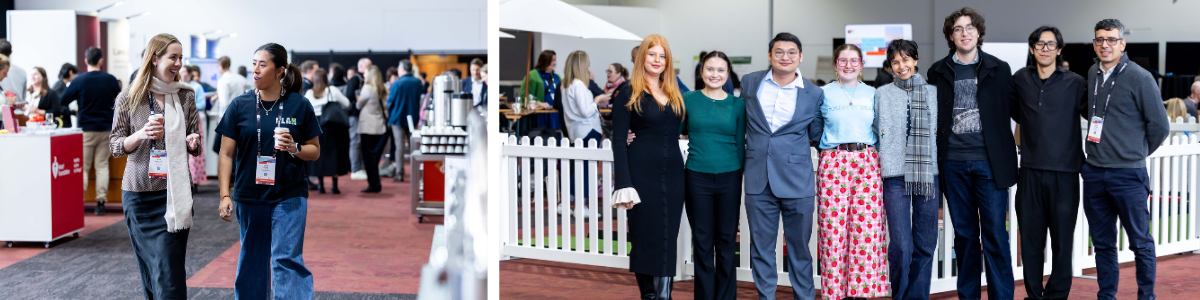
Global perspectives in planning also featured strongly throughout the day, with Rukshan de Silva, Vice President of the Planning Institute of Australia, joined by Sue Schwartz, President of the American Planning Association, and Andrea Harris, President of the New Zealand Planning Institute.
The discussion reinforced how similar planning challenges are across borders, including housing affordability, infrastructure pressures, political complexity and climate resilience, despite differences in planning systems and policy responses.
A strong message throughout the session was the importance of planners supporting one another globally, sharing knowledge and working collaboratively to solve increasingly complex challenges.
So what?
Over three days, the 2026 National Congress brought together planners, industry leaders, policymakers and global experts to tackle some of the biggest challenges shaping Australia’s future, from housing affordability and infrastructure delivery to climate resilience, emerging technology and population growth.
A consistent message throughout the Congress was the need to treat the housing crisis with the urgency it deserves, while also maintaining a long-term focus to ensure Australia is planning for sustainable growth and protecting against similar challenges in the future.
While discussions acknowledged the complexity and scale of these issues, the overriding sentiment throughout the Congress was one of optimism, collaboration and confidence in the profession. Across every session, there was a strong belief that planning, supported by long-term thinking, strong leadership and cross-sector collaboration, will continue to evolve and play a critical role in shaping healthier, more liveable and more resilient communities for generations to come.
The Congress concluded with a gala dinner in the Main Hall of Parliament House, celebrating 75 years of the Planning Institute of Australia and recognising the enduring contribution of the planning profession to shaping Australia’s communities, cities and future.